Updated August 14th, 2026
A portable generator earns its keep the moment the power goes out, or the moment you need electricity somewhere the grid doesn't reach - a campsite, a job site, a driveway during a storm. For most people, the question isn't whether backup power is worth having, it's how much power they actually need, how much noise and weight they're willing to deal with, and whether running a fuel-burning engine is even an option where they live. Compared to riding out a multi-day outage with flashlights and a cooler of melting food, or paying for a permanently installed standby system, a portable generator gives you targeted backup - a fridge and some lights, a CPAP machine overnight, or in the right setup, a genuinely large share of a home's circuits.
For this guide, we looked at four portable generators built for different needs and budgets, and made sure no two solve the same problem for the same buyer. The WEN 56235i is our Best Value pick for buyers who want quiet, genuinely portable backup power for camping, tailgating, or a short outage without a big price tag. The Honda EU2200i is our Best Overall pick for buyers who want the quietest, most reliable inverter generator in this class and are willing to pay a premium for that track record. The Westinghouse iGen12000DFc is our Premium pick for homeowners who want near-whole-home backup power through a proper transfer switch installation, with the clean, stable inverter power quality to run sensitive electronics too. And the EcoFlow Delta 3 Classic is our Best Gas-Free Pick for buyers who need silent, indoor-safe backup power with zero carbon monoxide risk.
As an Amazon Associate I earn from qualifying purchases. Links on this page are affiliate links.
We compared these generators on running wattage, portability, fuel type, noise level, and how well each one fits a specific use case rather than trying to find one generator that does everything for everyone. Power output and portability pull in opposite directions - more running watts generally means more weight, more noise, and a bigger fuel tank - so we looked at where each generator lands on that tradeoff and who it actually makes sense for. We avoided picking four generators aimed at the same buyer: a camper who mainly needs to charge a phone and run a fan has different needs than a homeowner trying to keep a fridge and a few lights on, a homeowner planning true whole-home-adjacent backup through a transfer switch has different needs than either of those, and someone who can't run a gas engine at all - because of an HOA, a lease, or simply wanting it indoors - has a different requirement altogether that only a battery-powered unit can meet.
Quick Notes
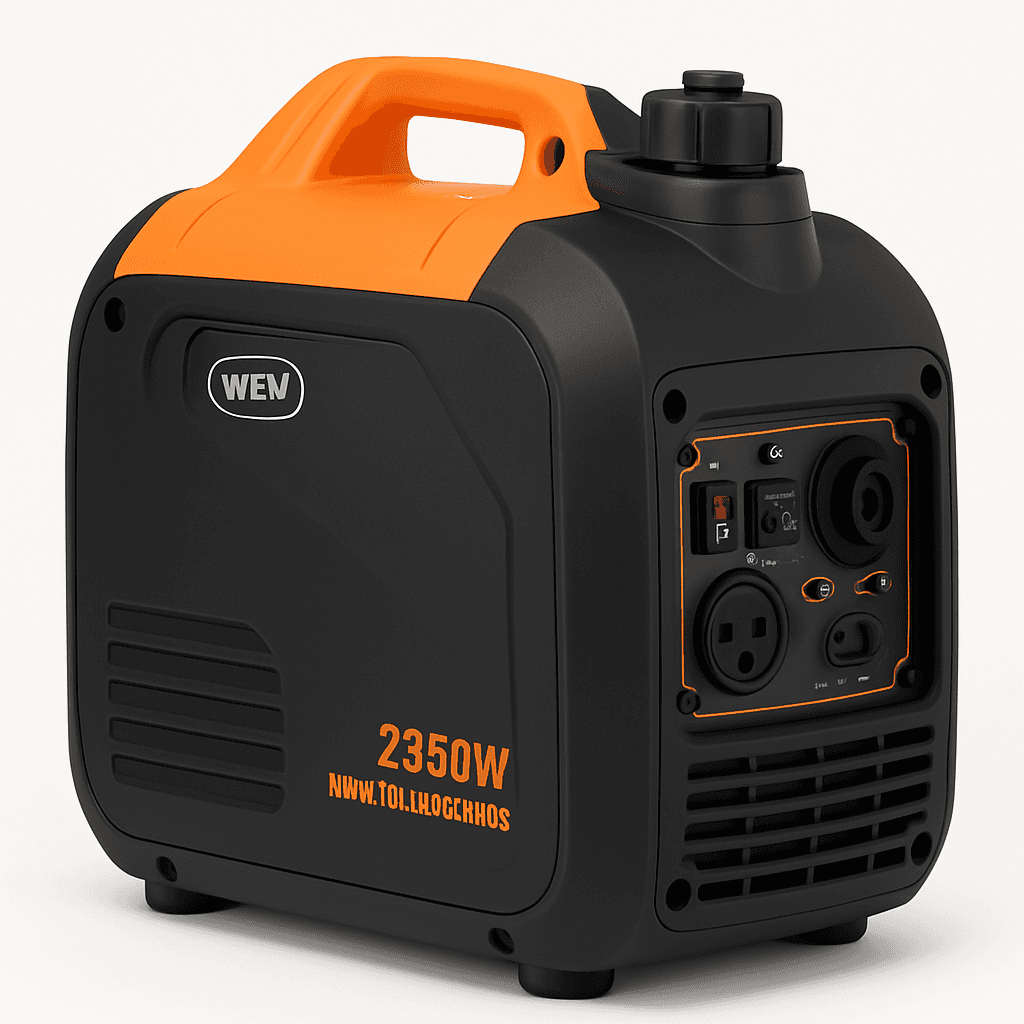
The WEN 56235i is our Best Value pick because it delivers quiet, clean inverter power in a genuinely portable package at the lowest price of the four generators here. The buyer here is a camper, tailgater, or first-time generator owner who needs to charge phones, run a mini fridge, a fan, string lights, or a CPAP machine for a night or two - not power a whole house. One concrete detail that matters is noise: at 51 dBA measured at a quarter load, it's quiet enough to run at a campsite or just outside a bedroom window without being obnoxious, and reviewers consistently describe it as comparable to a normal conversation. Clean sine-wave power with under 1.2% total harmonic distortion also makes it safe for laptops, phones, and CPAP machines. A second detail is portability and fuel efficiency: at 39 lbs with a single folding handle, one person can load and unload it easily, and its eco-mode throttles the engine down under light loads, stretching a 1.1-gallon tank to roughly 10.5 hours of runtime at 25% load. The tradeoff is power ceiling and maintenance. At 1,900 running watts, it can't start a central AC unit, a well pump, or most RV rooftop AC units, and its single 1.1-gallon tank means more frequent refueling during an extended outage; oil changes are needed every 25 hours, which adds upkeep for infrequent users. A small share of reviews also report early reliability issues, so this is a test-it-right-away purchase rather than a buy-and-forget one. Skip this one if you need to run more than a few small appliances at once or want a dual-fuel option. Buy it if you want the quietest, most portable, lowest-cost way to keep essentials running for a night or two.
Prices and availability were recorded when this article was written and are subject to change. The price and availability shown on Amazon at the time of purchase apply.
Quick Notes

The Honda EU2200i is our Best Overall pick because it's the generator other brands are benchmarked against for reliability, refinement, and quiet operation. The buyer here has either been burned by a cheap generator failing during an actual outage, or has heard enough horror stories to be willing to pay a real premium for a track record - reviewers with 5+ years and 1,000+ hours of use consistently report zero major issues. One concrete detail that matters is the built-in CO-MINDER carbon monoxide sensor with automatic shutoff, a genuine safety differentiator most budget competitors lack. A Bluetooth "My Generator" app also lets you check fuel level and status, or shut the unit down remotely, without walking outside at night. A second detail is noise: at 48-57 dBA depending on load, several reviewers say they can't hear it running from inside a closed house or tent, especially in eco-throttle mode. Strong resale value is also a real factor here - used Honda inverter generators hold value unusually well, which matters for total cost of ownership. The tradeoff is price and raw power. At a similar running-wattage ceiling to the WEN (1,800W vs. 1,900W), you're paying a significant premium largely for the Honda badge, quietness, and reliability rather than more capacity, and it has no electric start - recoil pull-start only. Skip this one if raw power-per-dollar matters more to you than reliability and refinement. Buy it if you plan to keep and rely on this generator for a decade or more and want the quietest, most trusted option in this class.
Quick Notes
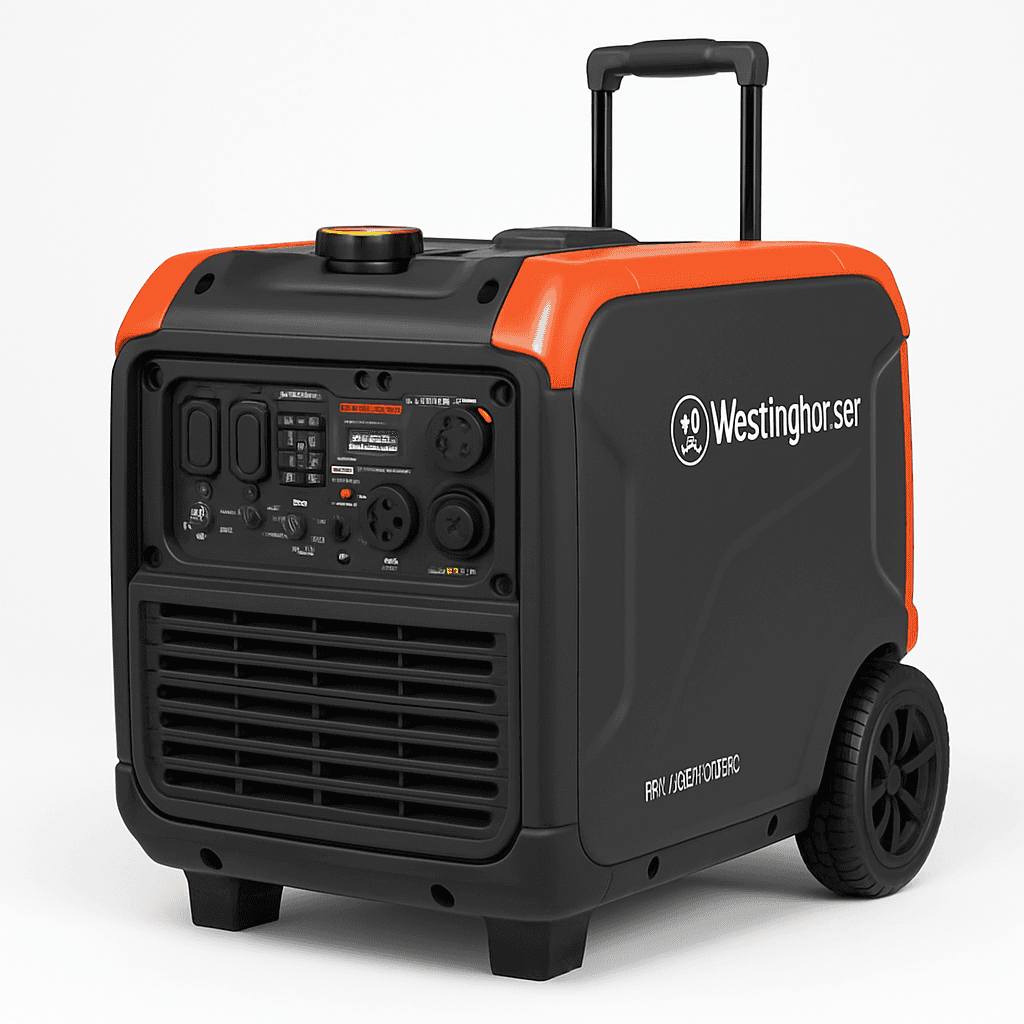
The Westinghouse iGen12000DFc is our Premium pick because it's the only generator here capable of running a genuinely large share of a home at once, without giving up the clean, stable power quality of an inverter. The buyer here is a homeowner in a hurricane- or wildfire-prone region who wants near-whole-home backup power - central AC, a well pump, a refrigerator, and lighting - without the far higher cost of a standby generator, and who is willing to install a transfer switch. One concrete detail that matters is dual-fuel flexibility: it runs on gasoline or propane, which is a real advantage during extended outages when gasoline is hard to find but propane tanks are easier to stockpile. It delivers 9,000 running watts and 12,000 peak watts on gasoline (8,100 running / 11,000 peak on propane), dwarfing the two smaller inverter picks here, while its inverter circuitry keeps output clean enough to be safe for sensitive electronics without added protection - something older conventional-engine generators in this size class can't claim. A second detail is outlet configuration and convenience: it includes a 120/240V 50A transfer-switch-ready outlet, a 30A RV-ready outlet, and standard household outlets, plus remote electric start via an included key fob, so you can start it from inside the house rather than walking out to pull-start it in a storm. A built-in CO sensor with automatic shutoff adds a real safety layer for a generator this size. The tradeoff is size and setup cost. At 187 lbs it's a wheeled, haul-behind unit rather than something one person lifts into a truck bed, and safe whole-home installation requires a licensed electrician and a separate transfer switch, both real added costs on top of the generator itself. It's meaningfully quieter than an older conventional generator in this power class, but it's still not something you'd want running right outside a bedroom window all night. Skip this one if light weight matters to you, or if you don't plan to install a transfer switch. Buy it if you want the closest thing to whole-home backup power - with genuinely clean inverter power - without a permanently installed standby system.
Quick Notes
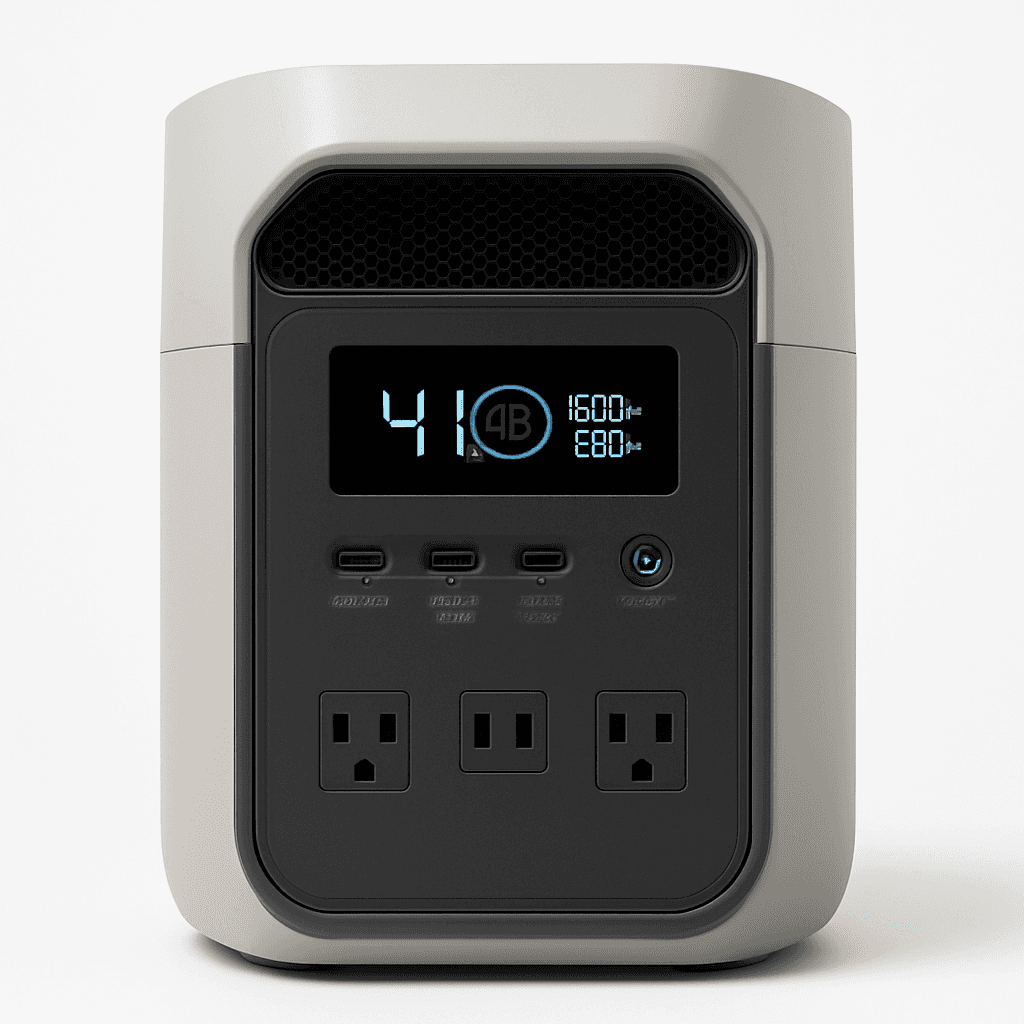
The EcoFlow Delta 3 Classic is our Best Gas-Free Pick because it's the only generator here with zero combustion and zero carbon monoxide risk, which makes it the right choice for buyers who can't run a gas generator at all. The buyer here is an apartment or condo dweller whose HOA or lease prohibits gas generators, a parent who wants silent overnight backup for a baby monitor or CPAP machine, or an eco-conscious buyer who wants a solar-rechargeable option. One concrete detail that matters is recharge speed: it goes from empty to roughly 80% in about 45 minutes on wall power, and can also recharge from solar panels (sold separately), so it can be topped off during a multi-day outage without any fuel logistics at all. Its 1,024Wh LiFePO4 battery is rated for roughly 3,000 cycles, or about a decade of typical use. A second detail is that it's genuinely silent, rated at roughly 30 dBA at moderate load with no combustion engine at all, and a 10ms UPS auto-switchover means it can double as backup for a modem, router, or medical device that can't tolerate any gap in power. The tradeoff is total capacity. At 1,024Wh, it can run a full-size refrigerator for several hours rather than days without a recharge, it has no 240V output so it can't power a central AC or well pump the way the Westinghouse can, and solar panels for off-grid recharging are sold separately, adding real cost if that's the goal. Skip this one if you need multi-day, whole-home backup power. Buy it if you need silent, indoor-safe backup power and don't need to run large appliances for extended stretches.
Prices and availability were recorded when this article was written and are subject to change. The price and availability shown on Amazon at the time of purchase apply.
WEN 56235i Super Quiet 2350-Watt Portable Inverter Generator
Honda EU2200i 2200 Watt Inverter Generator (EU2200ITAN)
Westinghouse iGen12000DFc 12,000-Watt Dual Fuel Portable Inverter Generator
EF ECOFLOW Delta 3 Classic Portable Power Station, 1024Wh 1800W
Best Use
Camping, Tailgating, and Light Backup Power
Quiet, Reliable Backup for Camping and Home Use
Near-Whole-Home Backup Power
Silent, Indoor-Safe Backup Power
Running Watts
1,900W Running / 2,350W Starting
1,800W Running / 2,200W Starting
9,000W Running / 12,000W Peak (Gasoline)
1,800W Continuous / 2,600W X-Boost
Fuel Type
Gasoline Only
Gasoline Only
Dual Fuel (Gasoline or Propane)
Battery (LiFePO4), Wall or Solar Recharge
Ownership Detail
51 dBA, ~10.5 Hrs at 25% Load, 39 lbs
48-57 dBA, Up to 8.1 Hrs at 25% Load, 46.5 lbs
64 dBA, Up to 19 Hrs at 25% Load, 187 lbs (Wheeled)
~30 dBA (Silent), ~45 Min to 80% Recharge, 26.7 lbs
Why We'd Buy It
Best Value for Quiet, Portable Backup Power
Best Overall Reliability and Refinement
Best for Near-Whole-Home Backup Power
Best for Silent, Indoor-Safe Backup Power
If you mainly need power for camping, tailgating, or a night or two during a short outage - charging phones, running a mini fridge, a fan, string lights, or a CPAP machine - you don't need a generator sized for a whole house. The WEN 56235i covers that need at the lowest price of the four picks here, with clean inverter power and a compact 39-pound frame one person can carry solo. Like any gasoline generator, it should only ever run outdoors, well away from windows, doors, and vents, and never in a garage, basement, or other enclosed space, since running gas engines produce carbon monoxide that can build up quickly in confined spaces.
If you've been burned by a cheap generator failing when you actually needed it, or you simply want the option with the best long-term reliability track record, look at the Honda EU2200i. It runs at a similar wattage ceiling to the WEN but commands a real premium for its quietness, refinement, and a built-in CO-MINDER sensor that automatically shuts the engine down if carbon monoxide builds up nearby - a genuine extra safety layer worth paying for if peace of mind matters as much as raw specs.
If you want to keep a meaningful share of your home running during a multi-day outage - central AC, a well pump, a refrigerator, and general lighting all at once - you need a generator built for far more running wattage than a compact camping-style inverter offers, and that's where the Westinghouse iGen12000DFc comes in. Its 9,000 running watts, dual-fuel flexibility, and clean inverter power (safe for sensitive electronics without added protection) make it the pick for homeowners installing a proper transfer switch, but budget for a licensed electrician, and keep it well outside and away from living spaces - it's quieter than an older conventional generator this size, but still large enough that it should never run indoors or in a garage, even with the door open.
If a gas generator isn't an option at all - your HOA or lease prohibits one, you live in an apartment or condo, or you simply need power for medical equipment inside your home - look at the EcoFlow Delta 3 Classic instead. It's the only one of these four picks with zero combustion and zero carbon monoxide risk, making it the sole option genuinely safe to run indoors, though its 1,024Wh battery has a hard energy ceiling that fuel-based generators don't.
Buy the WEN 56235i if you mainly need quiet, portable backup power for camping, tailgating, or a night or two during a short outage.
Buy the Honda EU2200i if you want the quietest, most reliable inverter generator in this class and plan to rely on it for years, not just one season.
Buy the Westinghouse iGen12000DFc if you want near-whole-home backup power through a proper transfer switch installation and don't mind the added weight and size.
Buy the EcoFlow Delta 3 Classic if you need silent, indoor-safe backup power and can't or don't want to run a gas generator.
The best portable generator depends on how much power you actually need, how much noise and weight you're willing to deal with, and whether a gas engine is even an option for your situation. Choose the WEN 56235i if you mainly want quiet, portable backup power for camping, tailgating, or a short outage at the lowest price here. Choose the Honda EU2200i if you want the quietest, most reliable inverter generator in this class and plan to rely on it for years. Choose the Westinghouse iGen12000DFc if you want near-whole-home backup power through a proper transfer switch installation and don't mind the added weight and size. Choose the EcoFlow Delta 3 Classic if you need silent, indoor-safe backup power and can't or don't want to run a gas generator.
If you're still unsure, most people should start with the Honda EU2200i. It covers the vast majority of what casual generator owners actually need - quiet, clean power for camping, tailgating, and light home backup - while adding the reliability, quietness, and CO-MINDER safety shutoff that make it worth the added cost over the WEN for anyone planning to keep and rely on this generator for years rather than one weekend at a time. Buyers with genuinely different needs, like true whole-home backup or a strict no-gas requirement, are better served by the Westinghouse or EcoFlow instead.
Related articles
Explore more expert comparisons and buying guides to help you find the perfect product.


As an Amazon Associate I earn from qualifying purchases.